
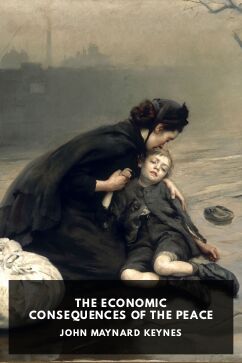
The Economic Consequences of the Peace - John Maynard Keynes
This isn't a novel, but the story it tells has all the drama of a political thriller. In 1919, the world's leaders gathered in Paris to decide the fate of Germany after its defeat in World War I. John Maynard Keynes was there as part of the British Treasury. He hoped for a fair peace that would help Europe rebuild and trade again. What he got was something very different.
The Story
The book is Keynes's firsthand account of the Paris Peace Conference. He lays out, in stark detail, how the Treaty of Versailles was crafted. The French, in particular, wanted revenge and security. They demanded Germany pay for the entire cost of the war—a staggering, unpayable sum known as reparations. The treaty also stripped Germany of territory and resources. Keynes argued this wasn't just harsh; it was suicidal. He shows, with clear logic, that destroying Germany's economy would also destroy its ability to pay. More importantly, it would create a desperate, resentful nation in the heart of Europe, poisoning any chance for lasting peace.
Why You Should Read It
You should read this because it reads like a prophecy. Keynes isn't just talking about numbers; he's talking about human nature and political failure. His writing is sharp, often sarcastic, and full of vivid portraits of the leaders involved, like a weary Woodrow Wilson and a vengeful Georges Clemenceau. You feel his frustration and alarm jumping off the page. Reading it with the knowledge of what came next—the Great Depression, the rise of Hitler, World War II—is chilling. He saw it all coming. It’s a masterclass in how short-sighted political victory can sow the seeds of long-term disaster.
Final Verdict
This book is perfect for anyone who loves history, politics, or a great argument. It's for the reader who wants to understand the 'why' behind the 20th century's biggest tragedies. While it deals with economics, you don't need a degree to follow it; Keynes's passion and clarity make the ideas accessible. If you've ever been frustrated by seeing leaders make obviously bad decisions, you'll find a kindred spirit in Keynes. It's a sobering, essential reminder of the consequences when we let punishment triumph over wisdom.
This historical work is free of copyright protections. You are welcome to share this with anyone.
Daniel Torres
1 year agoHigh quality edition, very readable.
George Thomas
4 months agoCitation worthy content.
Kimberly Smith
1 year agoUsed this for my thesis, incredibly useful.







Carol Young
1 year agoThe fonts used are very comfortable for long reading sessions.