
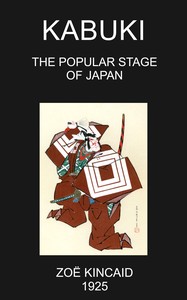
Kabuki : The popular stage of Japan by Zoë Kincaid
Zoë Kincaid's book is your all-access guide to the thrilling, chaotic world of Kabuki. She doesn't just list facts and dates; she walks you through the theater doors, from its very first, scandalous performance by a shrine maiden in the 1600s to its golden age centuries later.
The Story
The "plot" here is the incredible rise of Kabuki itself. Kincaid starts with its birth as a radical, often banned, form of street entertainment. She introduces us to the early stars—actors who were treated like social outcasts but whose fame was immense. We see how the government tried to control it, shutting down shows and restricting performers, and how Kabuki constantly adapted, finding clever ways to sneak satire and social commentary past the censors. The book shows its evolution into a highly stylized art form, with elaborate makeup, dramatic poses, and complex stage machinery. It's the story of an art form's fight for legitimacy and its triumph in capturing the spirit of its people.
Why You Should Read It
What makes this book special is Kincaid's clear passion. Writing over a century ago, her perspective is unique. She's explaining this deeply Japanese tradition to a Western audience, but she does it with such respect and excitement that you feel you're discovering it alongside her. She makes the actors feel real—not just names in a history book, but daring artists and celebrities. You get a real sense of the danger and the glamour. She also brilliantly shows how Kabuki was never separate from everyday life; it was a loud, colorful commentary on politics, fashion, and human nature. It’s history that feels alive and kicking.
Final Verdict
This is a perfect read for anyone with a curiosity about world theater, Japanese culture, or just great stories about artistic rebellion. It's for the reader who loved Memoirs of a Geisha and wants to know more about the performing arts of that world, or for the history fan who prefers their facts served with drama and personality. While it's an older book, Kincaid's writing is engaging and clear. Don't expect a modern, academic critique—expect a passionate tour led by a knowledgeable and utterly fascinated guide. You'll come away not just knowing about Kabuki, but feeling its energy.
This work has been identified as being free of known copyright restrictions. Access is open to everyone around the world.
Sarah Young
3 months agoFinally found time to read this!
Michelle Anderson
2 years agoTo be perfectly clear, the character development leaves a lasting impact. One of the best books I've read this year.
David Lee
9 months agoAfter hearing about this author multiple times, the flow of the text seems very fluid. This story will stay with me.
Robert Perez
1 year agoAfter hearing about this author multiple times, it challenges the reader's perspective in an intellectual way. I will read more from this author.







Joshua Young
1 year agoSolid story.